Every AI browser game on the wall
This is the full list, and it grows as new ones ship. Every entry is something you can start from here — a game, or a finished interactive toy — made by one person working with an AI, with the maker's own account of what the AI did. None of them cost anything and none of them ask you to register.
This is not a showcase of tech demos. There is no "coming soon", no rendering sample, no build that only runs on desktop Chrome. Every entry was opened by hand before it went up, and every one responds the moment you touch it. Most of them are games with a goal and an end; two of them, Boba Bar and Fizz, are toys with neither, and their cards carry a Toy pill so you know which is which before you click.
The order is simply the order they went up. Nothing here is ranked by us and nothing is a paid placement. A game stays on the list for as long as it still plays.
Which one to play first
Pick by what you have time for:
- You want to be playing in one click, right now. One Life. You draw a line of tracer fire across a table in a dream, that line becomes an endless world, and you get exactly one life to fight through it. Five minutes, no save, no second chance.
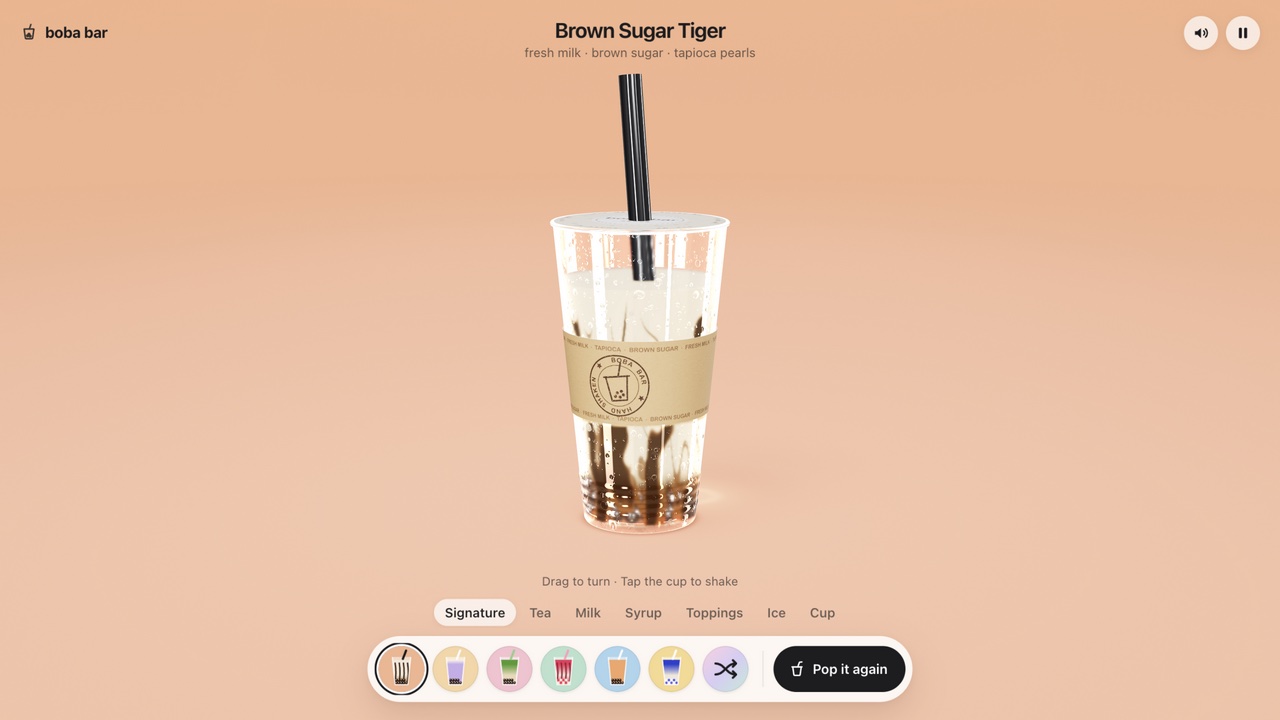
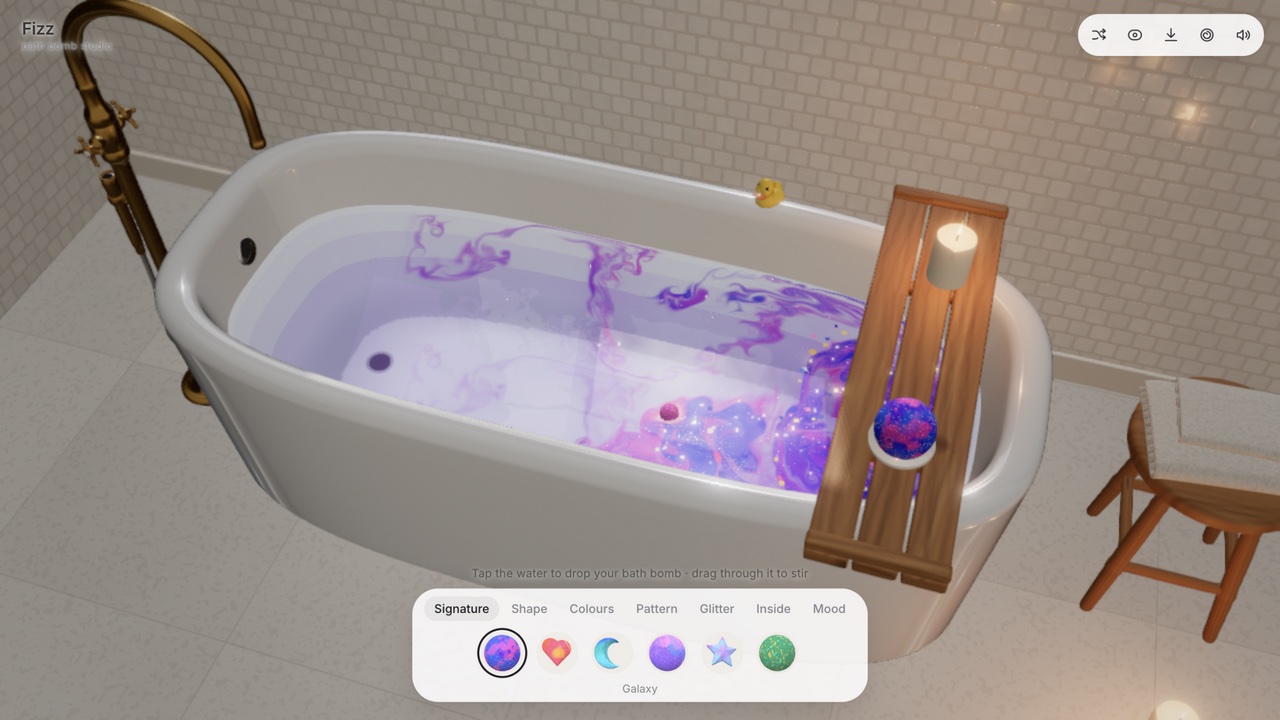
- You want to build something instead of surviving something. Boba Bar or Fizz. One is a 3D bubble tea you assemble, shake and drink through a straw; the other is a bath bomb you design down to what is hidden inside it. Both are toys, both are finished, and both work with a finger.
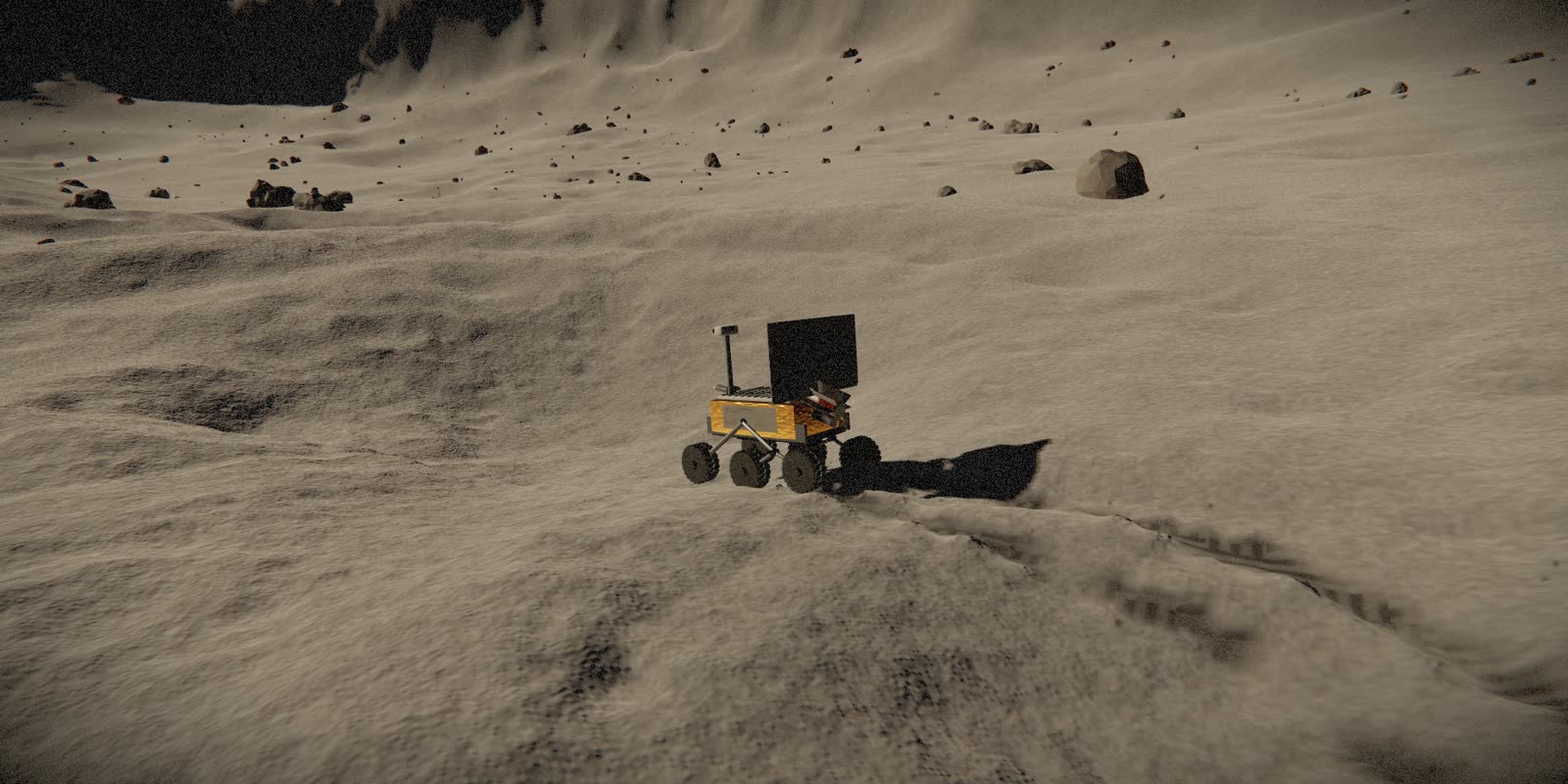
- You want a slow drive somewhere far away. REGOLITH. A lunar rover sim with real slopes, real dust and a HUD that fits a phone. You are not fighting anything; you are getting up a hill without tipping over.
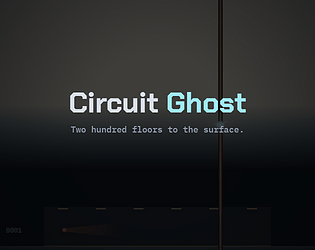
- You want to solve something. Circuit Ghost. You are a spark loose in the wiring of a building and the drones are looking for you. You switch machines on and let them do the work. It is the most “one more try” game on the wall, and it has a touch pad for phones.
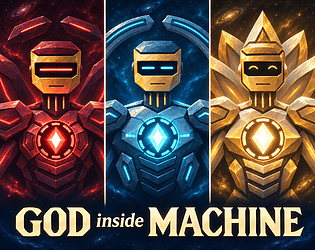
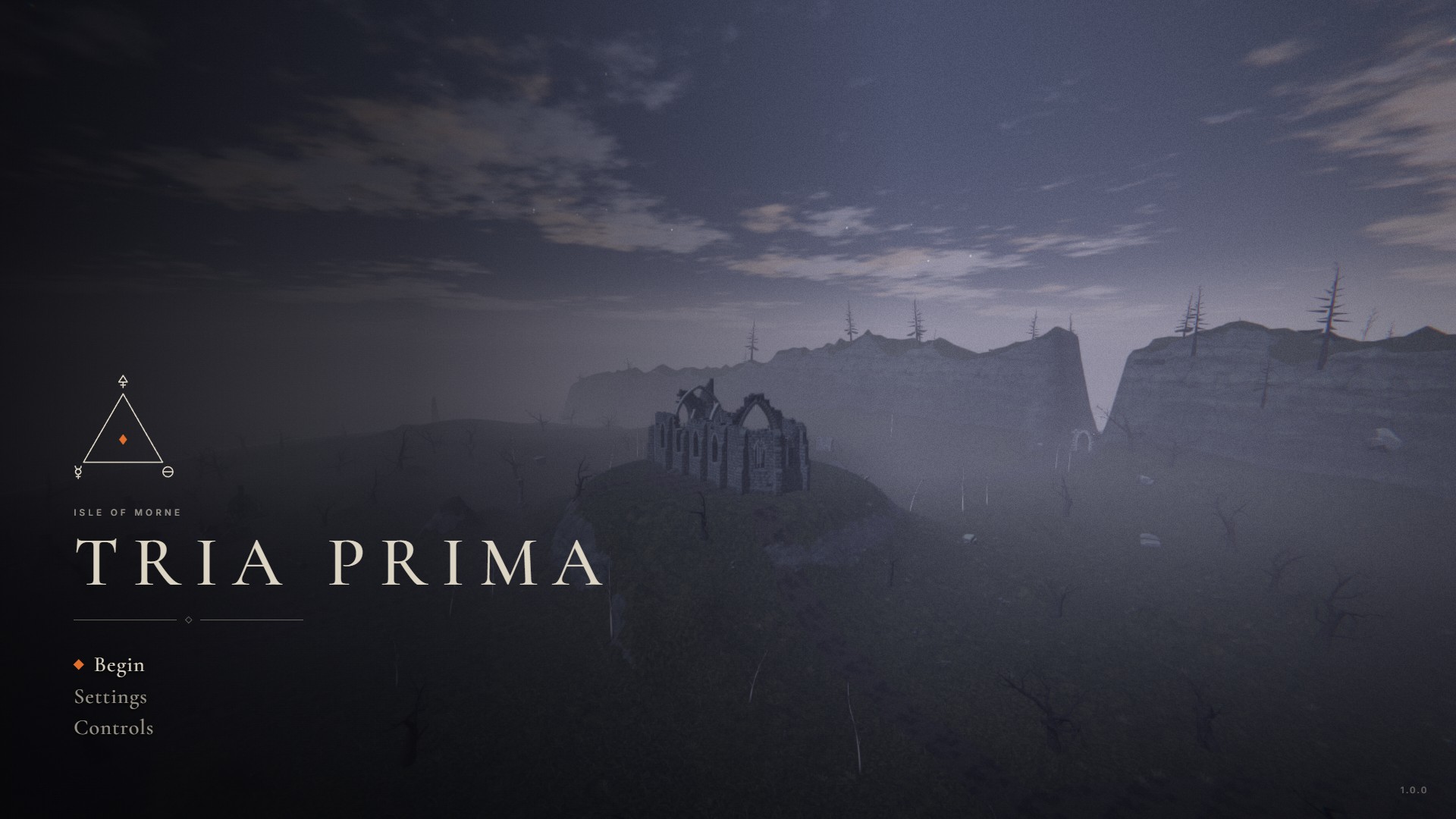
- You want a story with an evening in it. Tria Prima. A dark-fantasy alchemy adventure — salt, sulphur, mercury — that plays like an interactive picture book. For a longer evening with genre shifts and nine endings, God Inside Machine saves your progress between chapters.
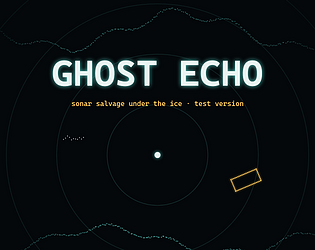
- You have five minutes and want to be creeped out. Ghost Echo. Sound on, lights off. You are steering a probe under Europa's ice and the only way to see is a sonar ping that fades. One short round, no save, and it is an early prototype — placeholder art, but the mechanic lands.
Sorted by the AI that made it
This is the view no other game list offers, because most lists do not ask.
Claude, used as the main builder. Circuit Ghost: the programming, the in-game text and the hint lines came from Claude Code; the level design, the direction and the playtesting were done by hand. Ghost Echo: Claude wrote the code, the Web Audio sounds and the placeholder photos, with Gemini reviewing the code and suggesting the horror beats. REGOLITH: the maker documents the single prompt that started it and the sixteen rounds of iteration that followed, all in the open. Tria Prima: built with Claude, and the maker has not published a round-by-round account — the page says so rather than filling the gap with a guess.
Generative AI across the whole build. God Inside Machine: art, voice, dialogue, code and music were all generated, with a person directing, editing and deciding what stayed.
AI-assisted, breakdown not published. Boba Bar and Fizz, both by Techartist. The maker has said AI was involved but has not published what it did on these pieces; the pages say exactly that and nothing more, because that is the rule of this wall.
An AI app builder. One Life: built on paean.ai and published on the 8x.gg creation network, where creations are made through an AI toolchain and then directed, edited and released by the person whose account they sit on. That maker has not published a line-by-line account of the split, and the game page says so rather than filling the gap with a guess.
Read those stamps side by side and you get something a press release cannot tell you: the same tools produce a puzzle game, a horror vignette, a genre-shifting narrative and a one-life shooter, in the same two months. The tool is not the style. The person still is.
What it takes to get on this list
- It has to start in a browser. Not “will be on Steam”, not a download, not a build that only runs on desktop Chrome. If we cannot open it and be playing in a few seconds, it does not go up.
- The AI involvement has to be disclosed by the maker. Not by us, not guessed from the art style. Where the maker has published an account we quote it and link to where they said it; where they have only disclosed the platform, we say that and nothing more.
- There has to be an idea in it. A polished clone of something that already exists is not what this wall is for. A game where one drawn line becomes the world you have to survive is. A toy qualifies when it is finished and does one small thing better than anything else on the wall — a bath bomb you can design down to what is hidden inside it is enough; a shader demo of moving water is not.
- The maker keeps the game. We link to their page, and where embedding is allowed we embed the author's public build with a link back. We do not copy or rehost the game; where it is open source, we keep the licence, the attribution and a link to the original repository. If they ask us to take it down, we do, without an argument.
How to read a card
Each card shows three things: the game's name, one sentence about what you actually do in it, and a stamp saying which AI the maker says they used. The two toys carry a small Toy pill next to the stamp — same wall, different thing, and we would rather label it than blur it. Click through and you get the full page: what it is, how to control it, what the AI did versus what the person did, and a plain answer on whether it works on a phone.
Then there is the play button, and there are two kinds. One Life, REGOLITH, Tria Prima, Boba Bar and Fizz play in an embedded frame on their Playmint page — one click and the authors' public build is running where you are standing. The three jam games open on the maker's page in a new tab, because that is where their current build and their post-jam fixes live. Every page says which kind it is before you click, in the line under the button — and a 3D game also says so there, before you press anything.
Why the list is short
The honest reason: a list is only worth reading if everything on it works, and most AI game submissions in 2026 do not. They are prototypes that break on mobile, demos with missing levels, or a folder of assets with a menu on top. We would rather have a few things you can actually finish or play with than ninety you will bounce off in ten seconds.
The list gets longer as games ship. If you made one, the submission page says exactly what to send. If you only came here to play, start at the top of the home page, where the game that plays in place is waiting for you.